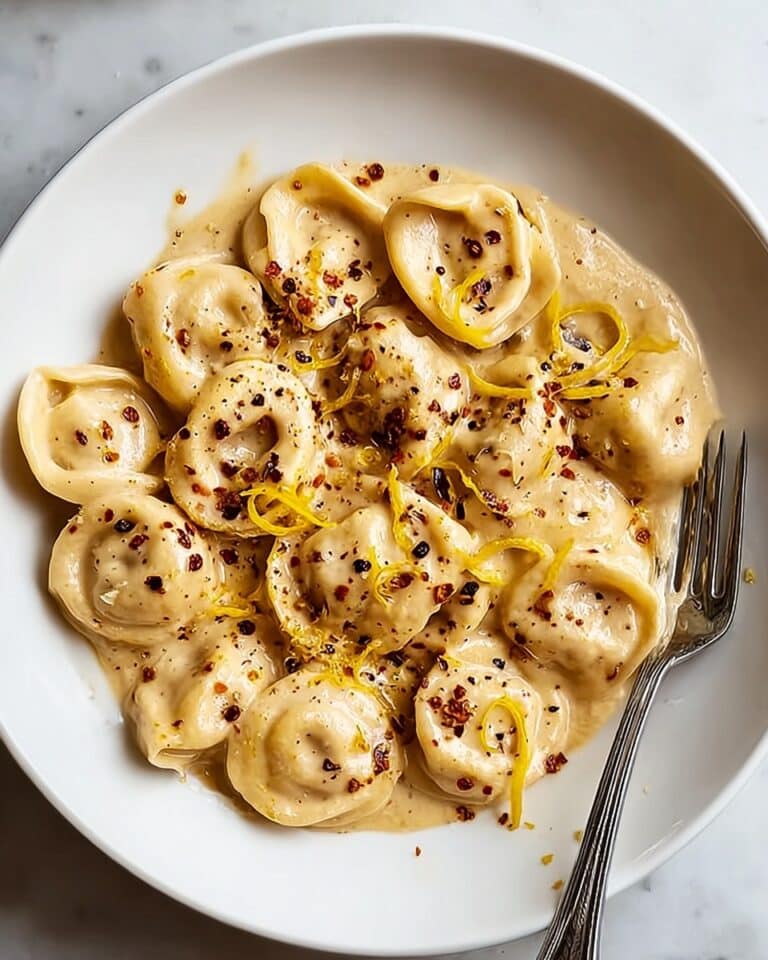
Thai Red Curry Noodles Recipe
Introduction
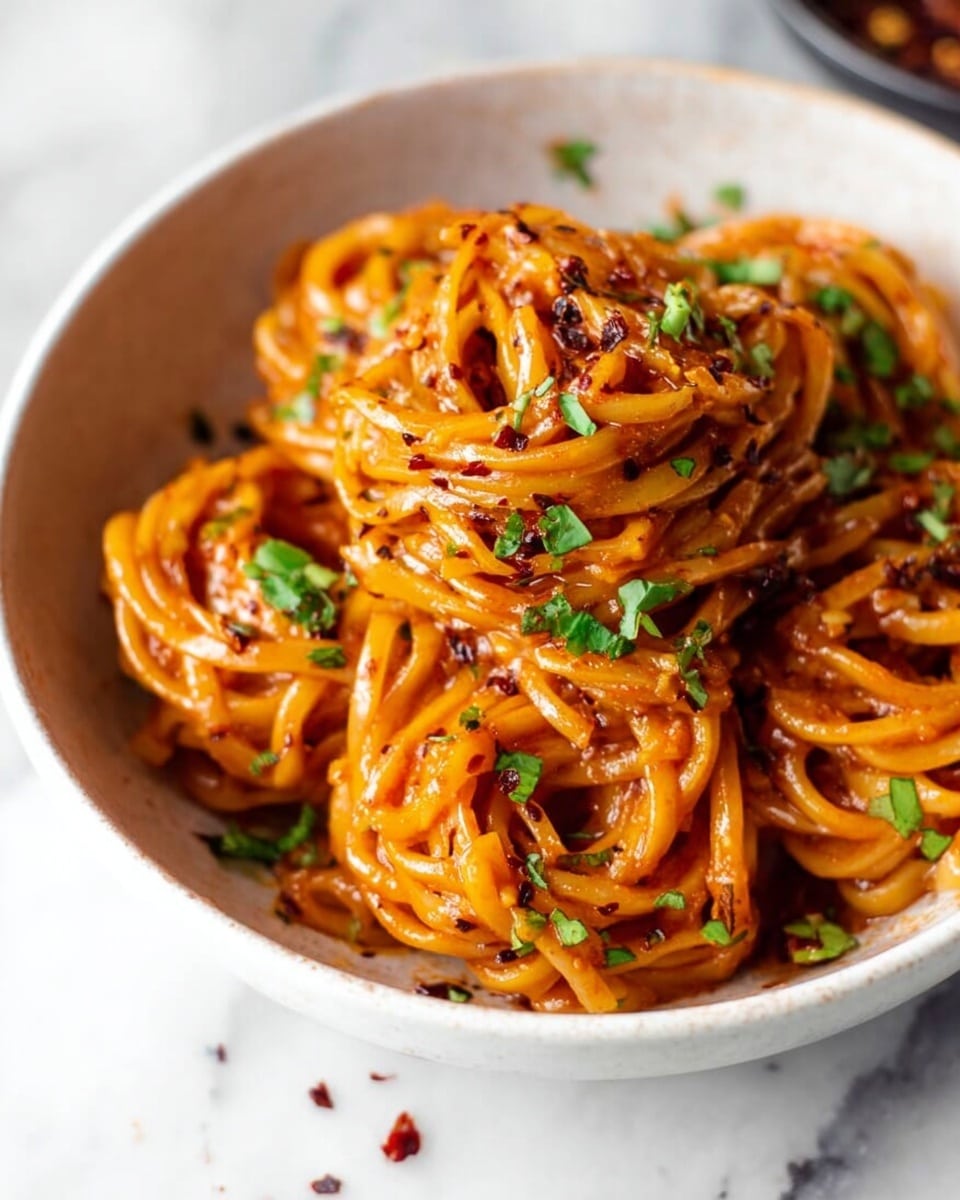
Thai Red Curry Noodles are a flavorful and comforting dish that combines creamy coconut milk with spicy red curry paste and tender brown rice noodles. This recipe balances sweet, savory, and tangy notes, making it perfect for a quick weeknight meal or an impressive dinner with friends.
Ingredients
- 16 ounces brown rice noodles
- 1 can full fat coconut milk
- 3-4 tablespoons Thai red curry paste
- 2 tablespoons tomato paste
- 1-2 tablespoons soy sauce or tamari
- 4 large cloves garlic, minced
- 1 tablespoon fresh grated ginger
- 1 tablespoon olive oil
- 2 teaspoons maple syrup or honey
- Juice from 1 lime (about 1-2 tablespoons)
- 1 teaspoon cornstarch (tapioca or arrowroot work too)
- Salt and pepper to taste
Instructions
- Step 1: Bring a large pot of salted water to a boil and cook the brown rice noodles according to package instructions. Undercook them slightly to allow finishing cooking later in the sauce.
- Step 2: In a small pot or skillet, heat olive oil over medium heat and sauté the minced garlic and grated ginger until the garlic turns slightly golden brown.
- Step 3: Add the coconut milk, Thai red curry paste, tomato paste, soy sauce or tamari, maple syrup or honey, lime juice, salt, and pepper to the pot with the garlic and ginger. Whisk together until smooth.
- Step 4: Bring the mixture to a boil, then whisk in the cornstarch. Reduce heat to low and let it simmer for 2-3 minutes to thicken.
- Step 5: Drain the noodles when done and add them to the sauce. Simmer over low heat, allowing the noodles to absorb the sauce and finish cooking. Stir occasionally.
- Step 6: Adjust the sauce amount if desired—start by mixing in half the sauce and add more to your preference, especially if you prefer it less saucy.
- Step 7: Serve garnished with fresh cilantro, scallions, and red pepper flakes. Pair with your favorite protein or vegetables, either sautéed or steamed.
Tips & Variations
- Use full fat coconut milk for the richest flavor and creamiest sauce.
- If you only have light coconut milk, it will still work but the sauce will be thinner and less creamy.
- Adjust the amount of curry paste based on your preferred spice level—some brands are much hotter than others.
- Start with low sodium tamari or soy sauce to avoid oversalting; you can always add more later.
- Serve with steamed or sautéed vegetables like bell peppers, snap peas, or broccoli for added texture and nutrients.
Storage
Store leftover Thai Red Curry Noodles in an airtight container in the refrigerator for up to 3 days. Reheat gently in a pan over low heat, adding a splash of water or coconut milk to loosen the sauce if it has thickened too much.
How to Serve
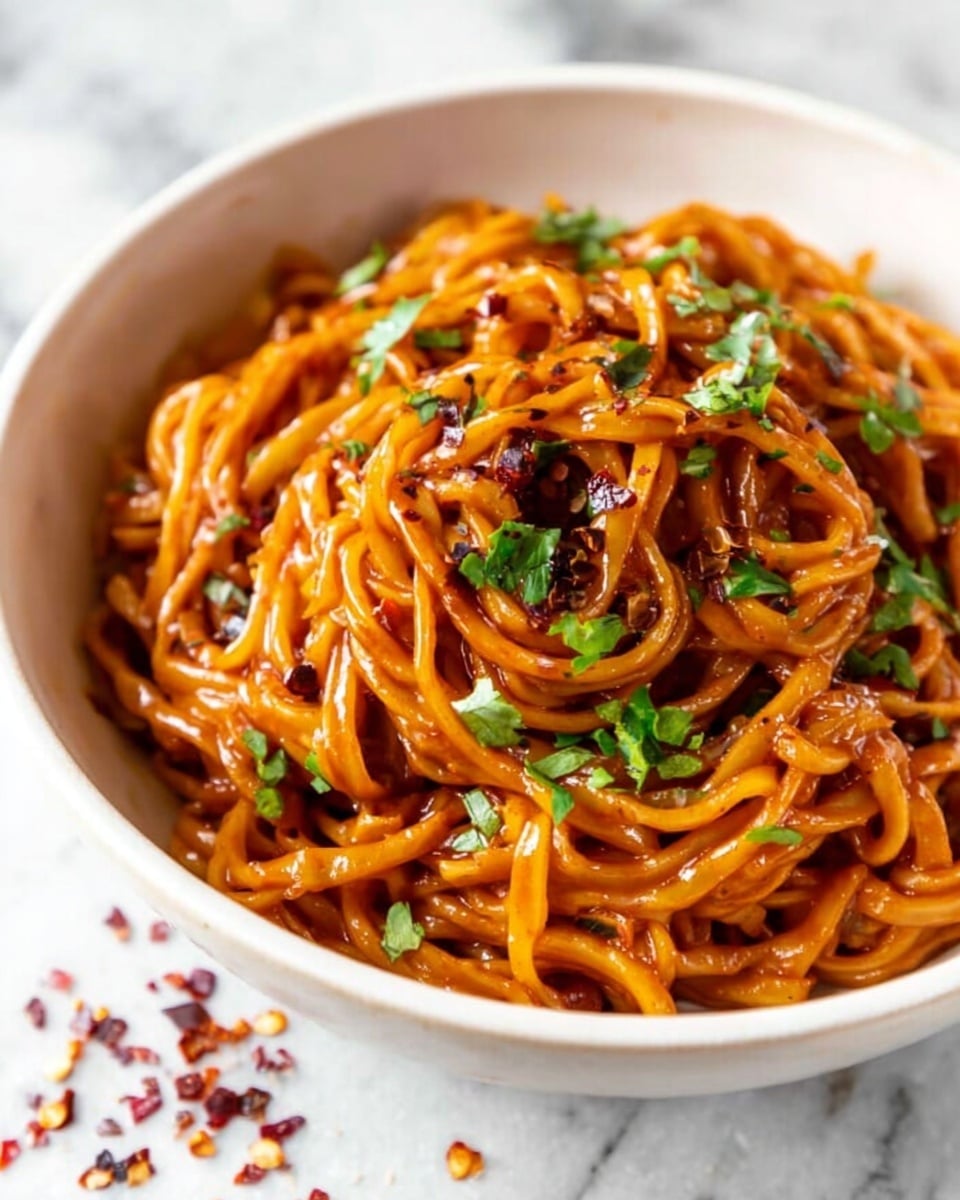
Serve this delicious recipe with your favorite sides.
FAQs
Can I use regular wheat noodles instead of brown rice noodles?
Yes, you can substitute wheat noodles or any other type you prefer. Just follow the package cooking instructions and adjust the simmering time to avoid overcooking.
Is this dish vegan?
This recipe is vegan if you use maple syrup instead of honey and ensure your curry paste doesn’t contain shrimp paste or fish sauce. Always check ingredient labels to be sure.
PrintThai Red Curry Noodles Recipe
This Thai Red Curry Noodles recipe features tender brown rice noodles simmered in a rich, creamy sauce made from full-fat coconut milk, Thai red curry paste, and a blend of aromatic spices. Perfectly balanced with garlic, ginger, lime juice, and a hint of sweetness, this flavorful dish is a comforting and vibrant meal that can be enjoyed on its own or paired with your favorite protein and vegetables.
- Prep Time: 10 minutes
- Cook Time: 15 minutes
- Total Time: 25 minutes
- Yield: 4 servings 1x
- Category: Main Dish
- Method: Stovetop
- Cuisine: Thai
- Diet: Gluten Free
Ingredients
Noodles
- 16 ounces brown rice noodles
Sauce
- 1 can full fat coconut milk
- 3–4 tablespoons Thai red curry paste
- 2 tablespoons tomato paste
- 1–2 tablespoons soy sauce or tamari
- 4 large cloves garlic, minced
- 1 tablespoon fresh grated ginger
- 1 tablespoon olive oil
- 2 teaspoons maple syrup or honey
- Juice from 1 lime (about 1–2 tablespoons)
- 1 teaspoon cornstarch (tapioca or arrowroot can also be used)
- Salt and pepper to taste
Instructions
- Cook the Noodles: Bring a large pot of salted water to a boil and cook the brown rice noodles according to package instructions, slightly undercooking them as they will continue cooking in the sauce.
- Sauté Aromatics: In a small pot or skillet, heat the olive oil over medium heat. Add the minced garlic and grated ginger, sautéing until the garlic turns slightly golden brown and fragrant.
- Make the Sauce: Add the full-fat coconut milk, Thai red curry paste, tomato paste, soy sauce or tamari, maple syrup or honey, lime juice, salt, and pepper to the pot with the garlic and ginger. Whisk until the mixture is smooth and well combined.
- Simmer and Thicken Sauce: Bring the sauce to a boil, then whisk in the cornstarch. Reduce the heat to low and let it simmer for 2-3 minutes until the sauce begins to thicken.
- Combine Noodles and Sauce: Drain the noodles and add them to the pot with the sauce. Simmer over low heat, stirring gently, to allow the noodles to absorb the sauce and finish cooking. The sauce may seem saucy initially, but it will thicken as the noodles absorb it.
- Serve and Garnish: Serve the noodles garnished with fresh cilantro, scallions, and red pepper flakes. Pair with your choice of protein or sautéed/steamed vegetables if desired.
Notes
- Full-fat coconut milk is recommended for the richest flavor, but light coconut milk can be used if needed.
- Use low-sodium tamari for better control of saltiness; if using regular soy sauce, start with half the amount and adjust to taste.
- Thai red curry paste varies in spiciness—start with less and increase based on your heat preference.
- The sauce will thicken as it sits; if you prefer less sauce, start by adding half and then add more as desired.
Keywords: Thai red curry noodles, brown rice noodles, coconut milk curry, Thai noodles, gluten free curry noodles, vegetarian Thai recipe